
 personal trainer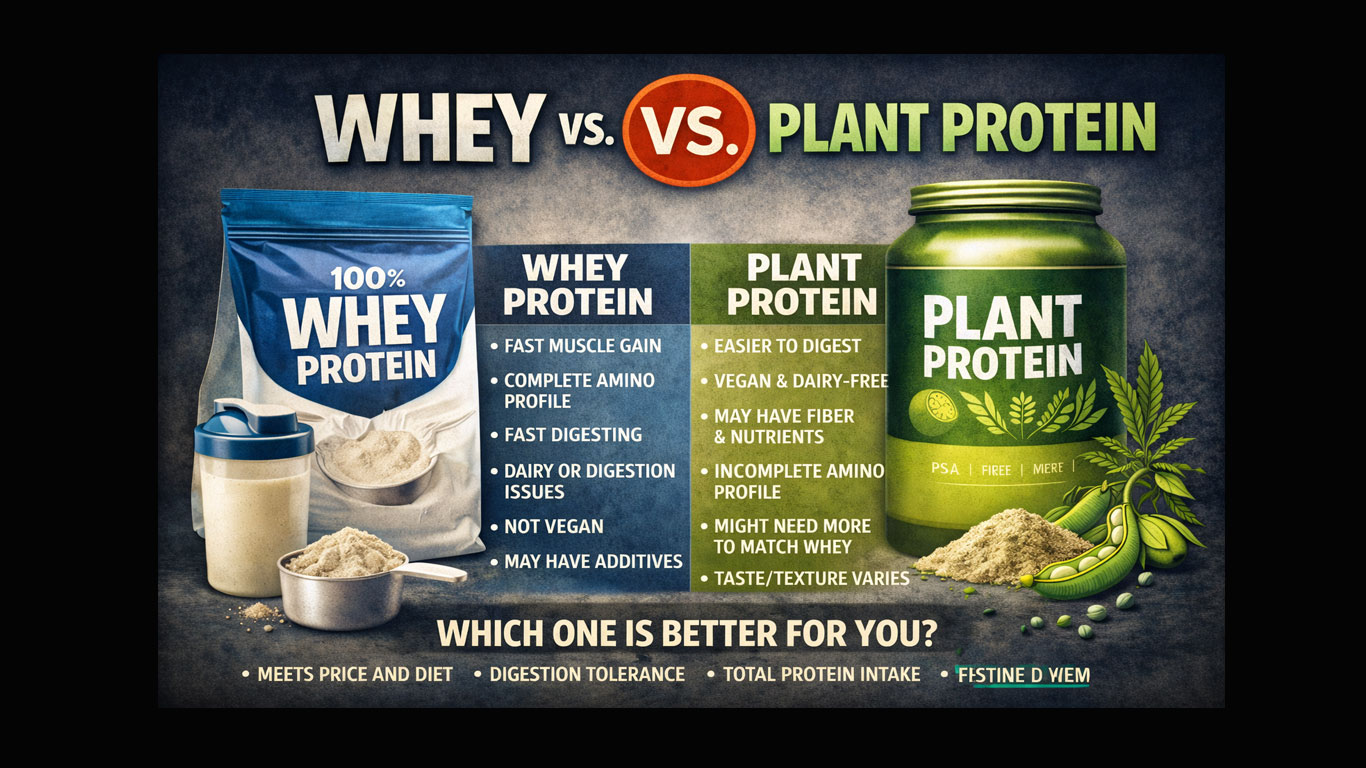
Whey Protein vs. Plant-Based Protein
� Not all protein is created equal
Whey Protein vs. Plant-Based Protein: What Really Matters?
Protein powders have become a staple in fitness—but not all protein is created equal. One of the most common debates is whey protein vs. plant-based protein. Some swear by whey for muscle growth. Others prefer plant-based for health, digestion, or lifestyle reasons. The truth? Both can work—if you understand how they differ and what your body actually needs.
What Is Whey Protein?
Whey protein is derived from milk during the cheese-making process. It’s considered a complete protein, meaning it contains all nine essential amino acids your body cannot produce on its own. It is especially rich in leucine, a key amino acid responsible for triggering muscle protein synthesis.
Benefits of Whey Protein:
- Fast digestion and absorption
- High leucine content for muscle growth
- Complete amino acid profile
- Well-researched and widely used
Potential Downsides:
- Can cause digestive issues (bloating, gas) in some people
- Not suitable for those with dairy intolerance or sensitivity
- May contain additives or artificial ingredients depending on brand
What Is Plant-Based Protein?
Plant-based protein powders are typically made from sources like pea, rice, hemp, or soy. Some blends combine multiple sources to create a complete amino acid profile. Unlike whey, many single-source plant proteins are incomplete, meaning they lack one or more essential amino acids—but blends often solve this issue.
Benefits of Plant-Based Protein:
- Easier on digestion for many people
- Dairy-free and suitable for vegan diets
- Often contains fiber and additional nutrients
- Lower risk of allergens (depending on source)
Potential Downsides:
- Lower leucine content compared to whey
- May require higher servings to match muscle-building effects
- Texture and taste can vary significantly
Muscle Growth: Is Whey Superior?
Whey protein has long been considered the gold standard for muscle building due to its rapid absorption and high leucine content. However, research shows that plant-based proteins can be just as effective when total protein intake is sufficient and amino acid needs are met.The key difference isn’t necessarily the source—it’s the total daily protein intake and consistency.
Digestion and Tolerance
This is where plant-based protein often has an edge. Many people experience bloating or discomfort with whey, especially if they are lactose intolerant or sensitive to dairy. Plant-based proteins are typically easier to digest, though some blends can still cause issues depending on ingredients and processing.
Clean vs. Processed: What Are You Really Drinking?
Both whey and plant-based proteins can range from clean to highly processed.
Watch for:
- Artificial sweeteners
- Fillers and gums
- Hidden sugars
- Unnecessary additives
A high-quality protein—regardless of source—should have a short, transparent ingredient list. Which One Should You Choose? The best protein powder is the one that fits your body, your diet, and your consistency.
Whey protein may be better if you:
- Want fast absorption post-workout
- Tolerate dairy well
- Prioritize maximum muscle-building efficiency
Plant-based protein may be better if you:
- Have dairy sensitivity or digestive issues
- Follow a vegan or plant-focused diet
- Prefer a more natural or sustainable option
The Bigger Picture
The whey vs. plant debate often misses the most important point:
Protein powder is a supplement—not a solution. If your overall nutrition, training, and recovery aren’t in place, the type of protein you choose won’t make a meaningful difference. Focus on hitting your daily protein needs, training consistently, and recovering properly. The rest is just preference.
Final Thought
Whey protein might be faster. Plant protein might be easier to digest. But neither is magic. Results don’t come from the source of your protein—they come from what you do consistently over time.
Your body doesn’t care where your protein comes from—it cares that you show up and use it.